
This is the Houses of Parliament.
This week, on November 5th, Guy
Fawkes is celebrated in Great Britain, and also in New Zealand. It
commemorates the failed attempt of a group of men to blow up the Houses of
Parliament in London in 1605. They wanted to kill King James and all his family
and politicians who supported him. Even though he wasn't the leader of
the group, Guy Fawkes was in charge of the explosives, and he was the one
found with the barrels of gun powder. King James was so pleased that the
plot was discovered that he ordered a big celebration with bonfires every year.
| Guy Fawkes |
Ever
since then, children have made effigies of Guy Fawkes (dressed up dummies
- now called 'guys') and burnt them on a large bonfire. Children used to makes
these guys then take them round their town and ask for a penny (one cent) for
their guy. They would then use this money to buy crackers to let off at
the time of their bonfire.
This is a photo from a New Zealand newspaper in 1932 of a young boy taking his guy around the streets to collect pennies to buy crackers.
A Guy Fawkes effigy - Follow this link to another story about the gunpowder plot.
Today, people seldom make guys - or
have bonfires - to commemorate Guy Fawkes. Many people buy fireworks and
let them off in their back yard. There are a lot of people who want to ban
fireworks because of safety issues - for animals, people, and property. It
tends to be the fire service's busiest night of the year!
This is a link a New Zealand site with the story behind Guy Fawkes,
and includes safety tips and how to make sure animals are kept safe.
And another link to Kiwi Kids News Guy Fawkes article
The New Zealand Fire Service have these safety hints
for using fireworks.
Here's a Horrible Histories
short video about the gunpowder plot led by Guy Fawkes.
This is a simple story - with
animation - that tells the history of the gunpowder plot, and how we
came to celebrate Guy Fawkes night.
This is a short video about Guy
Fawkes by some
children who are learning English in Czechoslovakia.
This is a slide show with
captions - if you are a good reader, you will get a good idea of the
story of Guy Fawkes from this link.
Remember,
remember the fifth of November,
Gunpowder treason and plot.
We see no reason
Why gunpowder treason
Should ever be forgot!
Gunpowder treason and plot.
We see no reason
Why gunpowder treason
Should ever be forgot!
Guy
Fawkes, Guy Fawkes, 'twas his intent
To blow up king and parliament.
Three score barrels were laid below
To prove old England's overthrow.
To blow up king and parliament.
Three score barrels were laid below
To prove old England's overthrow.
By
God's mercy he was catch'd
With a darkened lantern and burning match.
So, holler boys, holler boys, Let the bells ring.
Holler boys, holler boys, God save the King.
With a darkened lantern and burning match.
So, holler boys, holler boys, Let the bells ring.
Holler boys, holler boys, God save the King.
-------
Fireworks Music (144 years after Guy Fawkes)
The Allegro (La Réjouissance) is the fourth
movement from Music for the Royal Fireworks, by George Frideric Handel.
It was composed in 1749. Rejouissance is a French word and it means
rejoicing. (We've already learnt a bit about Handel in Term 2.)
King George II *of Great Britain asked
Handel especially to compose music for an outdoor concert and fireworks
display in Green Park, London, to celebrate the end of a war that England had
been involved in (The War of Austrian Succession).
There were very few outdoor concerts then. So many
people were interested in this performance that there was a three hour traffic
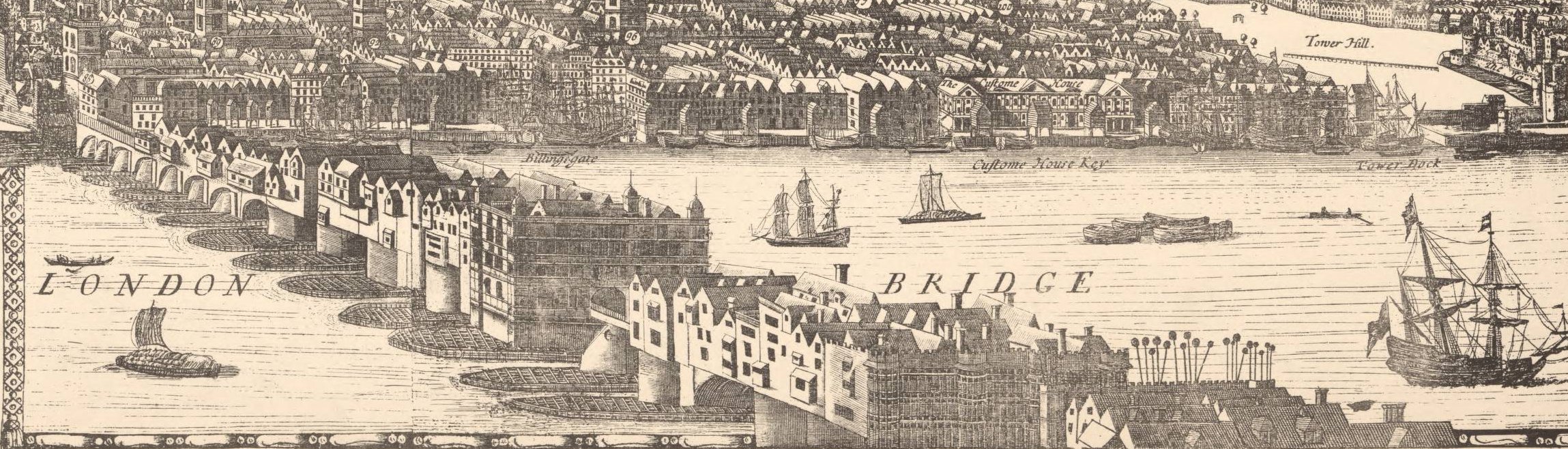
jam (horses and carriages) on London Bridge as twelve thousand people made
their way to the rehearsal a week before hand. The actual event one
week later was not entirely successful – the day was rainy, many of the
fireworks didn’t go off, part of the staging pavilion caught fire, and
two people died.
King George had insisted that Handel write the music
for percussion, brass and woodwind instruments only – no strings at all –
and Handel followed these instructions for this special performance. Later,
Handel rewrote the music for another indoor performance to include violins - so
both he and the King got their own way.
This is a recording of the entireMusic for the Royal Fireworks. Can you see that the instruments look
a little different to the ones you usually see in orchestras? These are ones
that the musicians might have played in Handel's time.
(*George II was the great-grandson of King James I)
Test your knowledge of instruments of the orchestra with this quiz.
Test your knowledge of instruments of the orchestra with this quiz.


nice blog
ReplyDelete